
Every vehicle needs fuel tanks. Fuel is stored safely and delivered to the engine. Durable tanks avoid leaks and keep efficiency. But weather and climate can weaken them. Many secret ways harsh conditions harm the tank. These consequences must be understood for safety and cost.
Heat and Highs
High temperatures weaken metal and plastic fuel tanks. Continuous heat changes material strength. Time makes the structure fragile and brittle. Tank surfaces expand and shrink with heat. Small fissures grow with pressure. Tank evaporation increases in hot weather. It stresses the tank’s inner lining. Extended heat exposure degrades seals and joints. It often causes fuel loss and additional dangers. Tanks in hot areas need extra maintenance.
Cold and Freeze
Cold weather affects fuel tanks. Low temperatures harden and weaken tank material. Tank bodies contract quickly when frozen. Cracks form near welded places due to contraction. Pressure is also added by tank ice. Road salt and snow can corrode the surface. Starts are harder with frozen fuel lines. Cold weather repeatedly stresses and breaks. Special care is needed for frozen tanks. Such locations benefit from stronger materials and coatings.
Rain and High Moisture
Humidity and heavy rain increase corrosion concerns. Small tank seal openings let moisture in. Water in tanks rusts metal. Tank structure collapses quickly as rust spreads. Tank gasoline contamination is also caused by moisture. Engine stalling and poor performance result from contaminated fuel. Outside-parked cars are particularly vulnerable in rainy weather. Standing water under cars accelerates tank deterioration. Protecting the gasoline tank from water is crucial. In wet months, regular checks prevent costly damage.
Climate Change and Rapid Variation
Rapid climatic change stresses fuel tanks. Heat expands tanks, cold shrinks them. This frequent alteration fatigues tank material. Long-term fatigue causes cracks and leaks. Rapid dry-wet weather changes are worse. Dry weather shrinks seals and loosens joint grip. Weak seals let moist air into the tank. These impacts quickly shorten tank life. Mixed-climate regions require good vehicle maintenance strategies. Fuel systems in such places need regular expert inspections.
Professional Help and Safe Practices
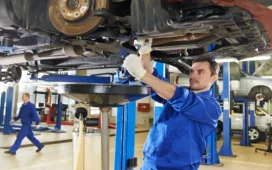
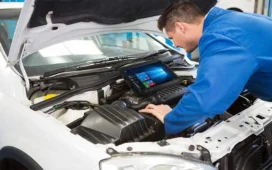
Most weather issues can be avoided with proper care. Owners should inspect during harsh seasons. Professional mechanics recognise climate damage. Seal joints and exterior surfaces are checked for weakness. Internal cleaning removes pollutants and moisture. Expertise ensures proper protective coatings. Over time, coatings prevent corrosion and rust. For crucial fuel system maintenance, choose trusted service centres. Consider Auto Repair in Severance, CO for experienced service. Early intervention prevents costly repairs. Safer automobiles last longer with preventive measures.
Conclusion
Weather and climate pose several hidden risks to gasoline tanks. Cold rain, rapid changes, and heat weaken it. These circumstances induce various cracks, leaks, and corrosion. Checks and precautions can prevent major failures. Expert care is best for safety and efficiency.