
The Inner Workings of Torque Converters: How Do They Actually Work?
Breaking Down the Components: What’s Inside a Torque Converter?
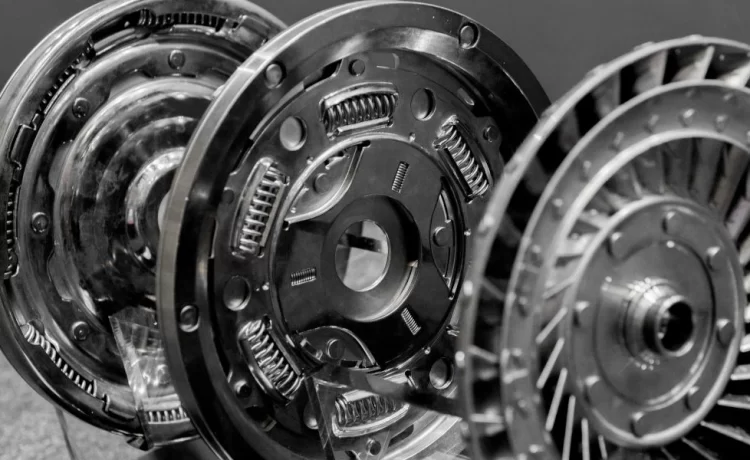
A torque converter is an essential component of modern automatic transmissions, responsible for transferring engine power to the drivetrain while allowing for fluid coupling between the engine and transmission. At its core, a torque converter is comprised of three primary components: the impeller (or pump), the turbine, and the stator. The impeller, connected directly to the engine, takes the engine’s rotational energy and transforms it into hydraulic energy. This process is facilitated through the fluid found within the torque converter typically transmission fluid which circulates in a continuous loop. The turbine, situated opposite the impeller, receives this hydraulic energy. As the fluid from the impeller flows into the turbine, it turns the turbine’s blades, converting hydraulic energy back into mechanical energy, enabling the vehicle’s wheels to move. Additionally, the stator plays a crucial role in optimizing the torque converting process. Positioned between the impeller and the turbine, it redirects the fluid back towards the impeller, improving efficiency and allowing for torque multiplication during acceleration. The unique design of the torque converter allows it to function non-linearly, which means that it can provide higher torque output when needed without the steep increase in engine speed. Understanding these components and their intricate interactions reveals how torque converters enhance engine performance and vehicle drivability, making them a pivotal technology in automotive engineering.
The Science of Fluid Dynamics: Understanding Torque Multiplication
Torque multiplication is a fundamental concept in torque converters that enables vehicles to deliver significant power and acceleration without a corresponding increase in engine RPM (revolutions per minute). When the vehicle begins to accelerate, the fluid dynamics play a critical role in this process; the impeller spins faster than the turbine, creating a difference in speed. This differential allows the converter to harness the engine’s power more effectively, multiplying torque output where it matters most. The science of fluid dynamics describes how the movement and pressure changes in the transmission fluid contribute to this torque multiplication effect. During initial acceleration, the impeller rapidly pushes fluid into the turbine, causing the turbine to spin and generate movement. Here, the stator also comes into play by redirecting the returning fluid in a manner that maximizes efficiency. As the vehicle speeds up and the turbine rate approaches that of the impeller, the torque converter shifts to a direct drive mode, effectively locking the impeller and turbine together. This transition allows for seamless power delivery, enhancing fuel efficiency by reducing engine load at high speeds. By utilizing the principles of fluid dynamics, torque converters not only improve acceleration but also facilitate a smoother driving experience, evident in both everyday commuting and spirited driving scenarios.
From Engine to Wheels: The Journey of Power Transfer
The journey of power transfer in a vehicle equipped with a torque converter is a fascinating process that encapsulates several intricate steps. When a driver presses the accelerator, the engine begins to spin the impeller, initiating the conversion of engine power into hydraulic energy. The flow of transmission fluid creates a vortex that travels from the impeller blades to the turbine. As the turbine receives this hydraulic energy, it starts turning, ultimately transferring its kinetic energy to the gear train within the transmission, which in turn drives the wheels of the vehicle. The beauty of this process lies in its ability to accommodate variability in load and speed. At lower speeds and under heavy loads, the torque converter effectively multiplies torque, allowing for smooth starts and impressive acceleration without stalling the engine. However, once the vehicle reaches cruising speed, the turbine and impeller align closely enough that the converter can lock up, providing a direct connection between the engine and wheels. This direct drive mechanism minimizes slip and improves fuel economy, demonstrating a well-balanced power transfer system that adapts to driving conditions. In essence, a torque converter acts as a dynamic mediator in the energy transfer from the engine to the wheels, embodying the synergy of hydraulic mechanics and automobile function.
The Benefits of Torque Converters: Why They Matter in Modern Vehicles
Smoother Rides Ahead: Enhancing Driver Comfort and Control
The inherent design and operation of torque converters significantly contribute to the overall comfort and driving experience of modern vehicles. One of the most noticeable benefits is the cushioning effect that torque converters provide. Unlike conventional manual transmissions that require precise clutch engagement, automatic transmissions equipped with torque converters enable smoother acceleration and gear changes, eliminating the harsh jerks associated with manual gear shifting. This hydraulic mechanism allows for seamless transitions, providing drivers with a more pleasurable and relaxed driving experience, particularly in stop-and-go traffic and during highway cruising. Furthermore, this smooth power transfer aids in enhancing vehicle control. Drivers can focus on steering and navigation rather than worrying about shifting gears at the right moment. The intuitive use of torque converters also allows for more responsive acceleration; drivers experience a seamless relationship between accelerator input and vehicle speed. The absence of traditional clutch systems in automatic vehicles reduces driver fatigue and enhances safety, as drivers can maintain better control of the vehicle without the added distraction of manual shifting. In essence, torque converters embody a blend of engineering ingenuity that prioritizes driver comfort, making them indispensable in the realm of contemporary automotive design.
Fuel Efficiency Unleashed: The Torque Converter’s Role in Saving Gas
Fuel efficiency has become a paramount concern for automotive engineers and consumers alike, and torque converters play a pivotal role in optimizing fuel economy in automatic vehicles. The ability of a torque converter to provide torque multiplication at lower speeds allows vehicles to start and accelerate with reduced engine strain, leading to lower fuel consumption during these critical phases of operation. By allowing the engine to operate within its optimal RPM range while minimizing power loss, torque converters enable vehicles to conserve fuel without sacrificing performance. Moreover, many modern torque converters are designed with lock-up clutches. These clutches engage when conditions permit, facilitating a direct coupling between the engine and transmission at cruising speeds, which significantly reduces energy losses due to slippage. This mechanical lock-up allows the engine to operate more efficiently, further enhancing fuel economy. As the automotive industry continues to evolve towards stricter fuel efficiency standards and greater sustainability, the innovation and refinement of torque converter technology such as variable geometry torque converters will be essential in meeting consumer demands for lower fuel costs and reduced environmental impact. Consequently, torque converters not only enhance performance but also provide practical benefits that align with the growing emphasis on eco-friendly vehicle design.
Performance Boost: How Torque Converters Improve Acceleration
Acceleration is a critical performance metric for both everyday drivers and automotive enthusiasts, and torque converters offer significant advantages in this area. The torque multiplication effect inherent to torque converters provides an initial boost during acceleration, allowing the vehicle to achieve higher speeds without requiring corresponding increases in engine RPM. This feature is particularly advantageous during situations such as merging onto highways, where rapid acceleration may be necessary. The responsive nature of torque converters makes them a staple in high-performance vehicles, where they contribute to enhanced thrust and quick overtaking capabilities. Additionally, as automotive technology advances, engineers continue to innovate with performance-focused torque converters designed to minimize delay in throttle response, resulting in more immediate acceleration feedback. Features like adaptive transmission control systems allow for real-time adjustments to converter behavior based on driving conditions, further augmenting vehicle performance. In this context, torque converters are not just passive components; they actively contribute to a vehicle’s dynamic capabilities, enabling an exhilarating driving experience that combines seamless power delivery with responsive acceleration.
Common Myths Debunked: Separating Fact from Fiction
Myth vs. Reality: Are Torque Converters Really Inefficient?
One prevalent myth surrounding torque converters is the belief that they are inefficient components due to the inherent slip that occurs during operation. While it’s true that traditional torque converters can exhibit some efficiency losses compared to manual transmissions, advancements in design and technology have significantly increased their overall efficacy. Modern torque converters utilize advanced materials and engineering techniques that minimize fluid drag and optimize energy transfer, leading to efficiency levels that rival those of manual systems, particularly when accounting for the smooth operation and enhanced driver control they provide. Moreover, torque converters are designed to work effectively with automatic transmissions, which have become increasingly sophisticated in managing engine power delivery. This harmony between the two systems is a testament to the ongoing evolution of automotive technology, dispelling the notion that torque converters are simply artifacts of inefficiency in modern vehicles. Instead, they exemplify a well-integrated solution that balances the goals of performance, comfort, and fuel economy. By examining the advancements in torque converter technology, it becomes clear that they are more efficient than ever, offering a strong case against the myths of poor performance.
The Automatic Transmission Debate: Are Torque Converters Obsolete?
As the automotive landscape shifts towards hybrid and electric vehicle technologies, some skeptics have begun to question the relevance of torque converters, positing that they may soon become obsolete. However, this claim overlooks the critical advantages that torque converters still provide in terms of performance and drivability. While it is true that some electric vehicles utilize direct drive systems that eliminate the need for torque converters and traditional transmissions, other vehicles, particularly those with internal combustion engines, continue to benefit from what torque converters offer. In fact, even as manufacturers explore new hybrid technologies and continuously variable transmissions (CVTs), the torque converter remains a vital component due to its ability to adapt to varying driving conditions and enhance power delivery in complex situations. Additionally, the introduction of new technologies that integrate torque converters with hybrid systems demonstrates their continued relevance. By helping to deliver powerful performance while accommodating the transition of electric powertrains, torque converters continue to evolve alongside automotive innovation, cementing their place in both current and future vehicle design.
Torque Converter Trouble: How to Diagnose and Fix Common Issues
Like any mechanical component, torque converters can encounter issues that can affect vehicle performance. Common symptoms include slipping, overheating, and unusual noises during operation. Diagnosing problems with a torque converter typically involves an understanding of these symptoms and their potential causes. For example, slipping during acceleration, where the engine revs but the vehicle doesn’t speed up correspondingly, can indicate issues with the fluid level or quality, prompting a transmission fluid check. Overheating can arise from inadequate fluid levels or a malfunctioning transmission cooler, leading to extensive damage if left unchecked. Regular maintenance practices, including fluid changes and inspections of transmission components, can prevent most torque converter issues and extend the lifespan of the component. In cases where failures occur, it may require professional evaluation, as symptoms might stem from broader transmission problems beyond the torque converter itself. Armed with knowledge about common issues and maintenance practices, drivers can ensure smoother operation and better performance from their vehicles, enhancing longevity and reliability.
Future Innovations in Torque Converter Technology: What’s on the Horizon?
Next-Gen Designs: Exploring Hybrid and Electric Torque Converters
The automotive industry is on the cusp of transformative change, particularly with the rise of electric and hybrid vehicles demanding innovative solutions. Future torque converter designs are expected to adapt to these evolving powertrains through enhanced efficiency and integration with electric drive systems. Emerging technologies are beginning to focus on variable geometry torque converters, which can adapt their characteristics according to driving conditions and optimize fluid flow, thus improving performance and efficiency. Additionally, manufacturers are exploring the integration of torque converters with electric drive systems, potentially developing hybrid torque converters that can provide both traditional torque multiplication in internal combustion vehicles and leverage electric motors for enhanced power delivery in hybrid configurations. Such innovations may ensure that torque converters remain relevant in future vehicle designs, where performance and efficiency will take center stage as consumer priorities continue to evolve. The ability to maximize energy utilization while retaining the smooth drivability that torque converters afford is a significant consideration as engineers design for the next generation of automobiles.
Smart Technology Integration: Torque Converters and Advanced Driver-Assistance Systems
As vehicles increasingly incorporate advanced driver-assistance systems (ADAS) and smart technologies, there is potential for torque converters to evolve in concert with these trends. Technologies such as adaptive cruise control and collision avoidance systems could benefit from the integration with torque converters to facilitate seamless acceleration and deceleration, improving safety and comfort for drivers. For instance, sensors could communicate real-time data to the transmission system, allowing for quick adjustments in converter operation based on driving behavior and environmental conditions. This integration could lead to enhancements in vehicle performance metrics such as response time or fuel efficiency by allowing the torque converter to operate optimally as part of a comprehensive vehicle management system. Moreover, machine learning algorithms could analyze driving habits and adjust torque converter settings dynamically, ensuring that the vehicle adapts to the driver’s requirements while optimizing performance and efficiency. Furthermore, as automakers focus on creating a connected driving experience, the future may see torque converters evolving towards systems that utilize artificial intelligence for predictive maintenance, improving reliability and user experience through advanced diagnostics.
Environmental Impact: The Role of Torque Converters in Eco-Friendly Vehicles
In the context of global efforts to mitigate climate change and reduce carbon footprints, the automotive industry is under pressure to innovate toward more environmentally friendly solutions. Torque converters play a significant role as some manufacturers transition towards lower emissions vehicles while still delivering performance and efficiency. By optimizing how energy is transferred from the engine to the wheels, modern torque converters can help improve overall fuel efficiency in internal combustion engines, which is crucial as consumers depend on gasoline-powered vehicles. Moreover, as hybrid technologies become increasingly prevalent, torque converters can support the efficient use of hybrid systems, allowing vehicles to operate optimally in electric and gasoline modes while minimizing emissions. Future torque converter designs that prioritize lightweight materials and enhanced design can further decrease overall vehicle weight, improving efficiency. Ultimately, the responsible evolution of torque converter technology, grounded in performance enhancement and reduced environmental impact, positions them as critical components in the quest for greener automotive solutions.