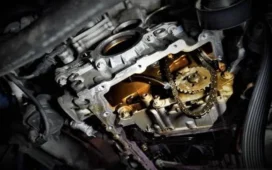

Car piston rings play an essential role inside the engine cylinder. These small components help maintain compression and control engine oil movement. When piston rings lose their tension the engine gradually loses sealing efficiency. Now several noticeable performance problems can develop during regular driving conditions. Poor compression can affect combustion while increased oil consumption creates additional concerns. Therefore understanding these symptoms can help identify internal engine problems before they become severe.
Reduced Compression Can Affect Engine Performance
Piston rings need sufficient tension to maintain proper contact against cylinder walls. This contact helps seal combustion gases inside the engine cylinder during operation. When ring tension decreases combustion pressure can escape past the piston. Consequently the affected cylinder may produce less power during normal engine operation. The engine can feel weaker during acceleration and may struggle under heavy loads.
Sometimes reduced compression also creates rough engine operation during starting conditions. A weakened cylinder cannot contribute efficiently to the overall combustion process. So starting may become slower especially when the engine remains cold. Professional compression testing can help determine whether internal sealing problems exist. XXX can inspect engine symptoms and recommend suitable diagnostic procedures when required.
Increased Oil Consumption Can Become Noticeable
Piston rings also help control the amount of engine oil around cylinder walls. When tension decreases oil can move into the combustion chamber more easily. The engine may then burn more oil during normal driving conditions. Excessive oil consumption can eventually create additional problems for engine components.
Blue coloured exhaust smoke can sometimes indicate that engine oil is burning. However smoke alone cannot confirm worn or weakened piston rings. Other internal engine problems can create similar exhaust symptoms during operation. Therefore proper inspection remains necessary before deciding that piston rings require replacement. Regular oil level checks can also reveal unusual consumption patterns over time.
Increased Blowby Can Affect Engine Operation
Blowby occurs when combustion gases pass beyond piston rings into the crankcase. Reduced ring tension allows more combustion pressure to enter this area. Increased crankcase pressure can then place additional stress on engine ventilation systems. Oil vapour may also increase when combustion gases enter the crankcase excessively.
A faulty ventilation system can make these symptoms more complicated. Therefore technicians often inspect related components before confirming internal piston ring problems. Diagnostic testing can reveal abnormal crankcase pressure and other supporting evidence. You can assess these symptoms and identify whether deeper engine investigation is necessary.
Engine Damage Can Become More Serious
Continued operation with weak piston rings can create additional engine problems. Poor sealing increases oil consumption and allows combustion efficiency to decline. Burning oil can contribute to deposits forming around internal engine components. These deposits may interfere with normal engine operation over time.
Persistent blowby can also contaminate engine oil with combustion related byproducts. Contaminated oil may reduce lubrication quality across important moving components. Therefore ignoring piston ring symptoms can eventually increase repair requirements significantly. Early professional diagnosis provides a better opportunity for preventing extensive internal damage.
A specialist such as Car repair service can investigate compression and oil consumption concerns. Proper diagnosis helps determine whether piston rings are actually responsible for symptoms. Then recommend appropriate repair options based on inspection findings. Timely attention can help preserve engine performance and prevent avoidable mechanical deterioration.
Conclusion
Piston rings require proper tension to maintain effective cylinder sealing during engine operation. When tension decreases compression can gradually weaken and engine performance may suffer. Oil consumption can increase as engine oil enters the combustion chamber. Blowby can also increase and create excessive crankcase pressure during operation.
However these symptoms can result from several different engine problems. Professional testing remains important before replacing internal engine components. Compression checks and related diagnostic procedures can provide valuable information. Early attention can help prevent minor sealing concerns from becoming major engine damage.