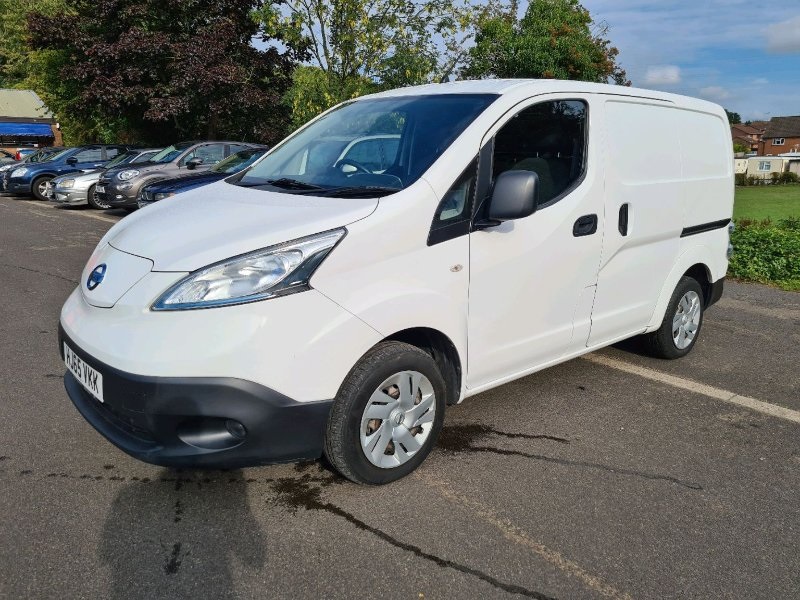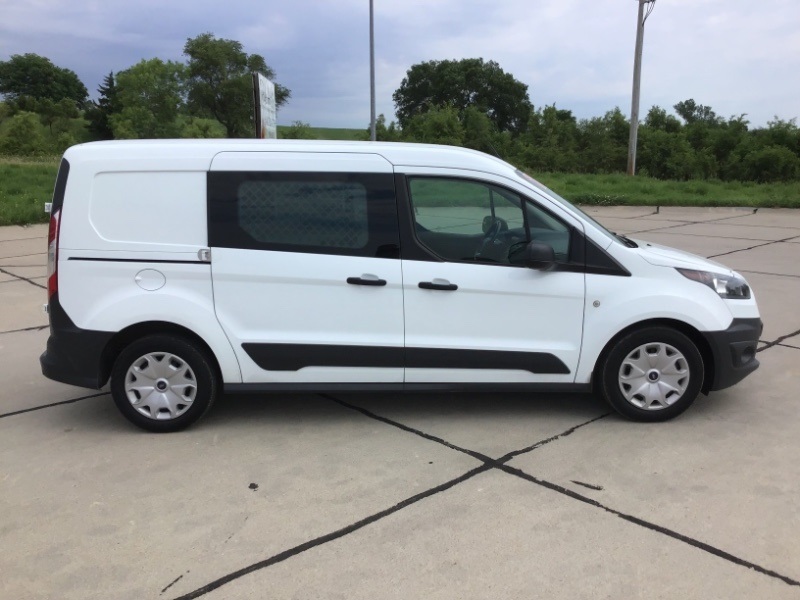

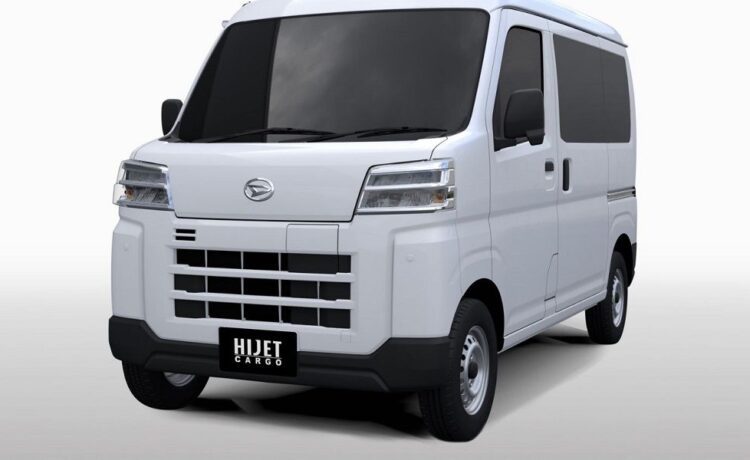
The “Last-Mile” delivery sector is currently the fastest-growing segment of the global logistics industry. As e-commerce continues to dominate consumer behavior in 2026, the number of delivery vehicles on urban streets has reached an all-time high. However, this growth has come at an environmental cost, with traditional diesel vans contributing significantly to urban smog and noise pollution. This is where the transition to an Electric Van fleet has become a game-changer. By replacing fossil fuels with high-capacity batteries, businesses are not only lowering their operational costs but also playing a pivotal role in the decarbonization of our cities.
For a business looking to modernize its fleet, the decision to Rent A Van that is electric serves as a low-risk entry into sustainable logistics. It allows a company to test the range, charging requirements, and payload capacity of zero-emission vehicles on their actual delivery routes. The adoption of an Electric Van is no longer just a “green” PR move; it is a strategic response to tightening urban emission regulations and a growing consumer demand for ethical supply chains. Moving toward electric mobility is the single most effective way for a transport company to future-proof its operations in 2026.
Zero Tailpipe Emissions and Urban Air Quality
The primary benefit of an Electric Van is the total elimination of tailpipe emissions. Traditional internal combustion engines release nitrogen oxides and particulate matter, which are major contributors to respiratory health issues in dense urban areas. By choosing to Rent A Van that is electric, a delivery firm contributes to a cleaner, more livable city. In 2026, many major cities have established “Zero-Emission Zones” where only electric vehicles are allowed. Having an electric fleet ensures that your business can continue to serve its urban customers without the burden of heavy fines or access restrictions.
Drastic Reduction in Noise Pollution
Logistics operations in residential areas often face strict noise ordinances, particularly for night-time or early-morning deliveries. An Electric Van operates almost silently, significantly reducing the “noise footprint” of the delivery process. This quiet operation allows for more flexible delivery windows, as the vehicles do not disturb the peace of the neighborhood. For a logistics manager, this means higher operational efficiency, as they can schedule routes during off-peak hours when traffic is lighter, further reducing the overall energy consumption per package delivered.
Lower Total Cost of Ownership (TCO)
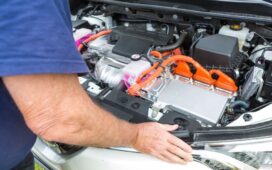
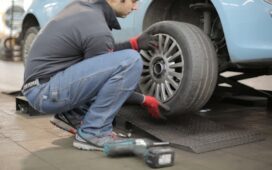
While the upfront cost of an Electric Van can be higher than a diesel equivalent, the “Total Cost of Ownership” is significantly lower. Electricity is cheaper than diesel, and electric motors have far fewer moving parts, leading to a 40% to 50% reduction in maintenance costs. For companies that choose to Rent A Van on a long-term basis, these savings are reflected in more competitive rental rates and higher vehicle uptime. By investing in electric mobility, companies are essentially locking in their transport costs and protecting their margins from the volatility of global oil prices.
Enhancing Brand Reputation and ESG Compliance
In 2026, corporate clients and individual consumers are increasingly choosing to work with brands that demonstrate a commitment to Environmental, Social, and Governance (ESG) standards. Deploying a fleet of Electric Van units is a visible and powerful signal of your company’s values. It tells your partners that you are serious about your carbon footprint. Whether you own your fleet or choose to Rent A Van, using green transport can be the deciding factor in winning large government tenders or securing contracts with eco-conscious multinational corporations.
Conclusion
The transition to green transport is an inevitable and welcome evolution of the logistics industry. By embracing the power of Rental Commercial Vehicles, businesses can drive toward a more profitable and sustainable future. The road to a zero-carbon world is paved with innovative technology and the courage to change how we move, ensuring that our progress as a society does not come at the expense of our planet.