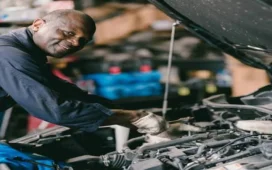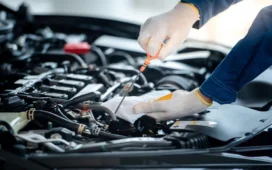

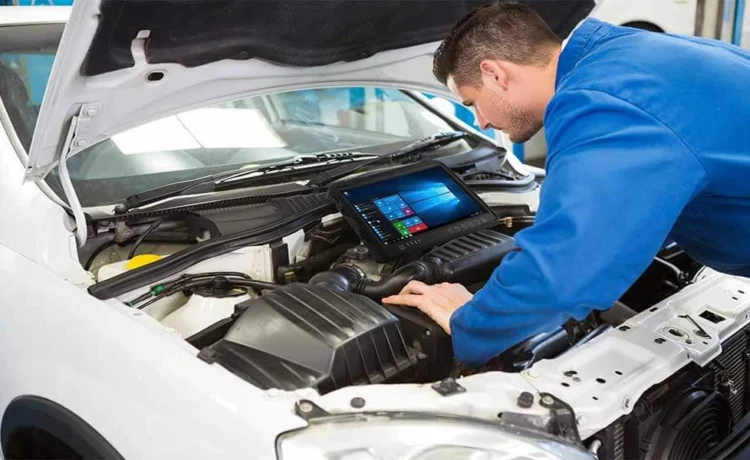
A tire pressure warning can appear even when the tire itself has no leak. Now this creates confusion because both problems can produce similar dashboard warnings. A skilled mechanic uses several diagnostic methods to identify the actual source. The inspection usually begins by checking tire pressure with accurate equipment. Then the technician compares those readings with the vehicle monitoring information. This process helps separate genuine air loss from sensor related problems.
Checking Sensor Communication and System Calibration
Modern TPMS systems depend on communication between sensors and vehicle electronics. A sensor may work correctly while requiring relearning after certain service procedures. Wheel changes can sometimes cause identification problems within the monitoring system. Fault codes can provide useful clues when communication becomes inconsistent.
However, a diagnostic code does not always prove that the sensor itself failed. Mechanics consider wiring, receiver functions and system programming during diagnosis. Calibration or relearning may restore correct monitoring without replacing hardware. Chester European Automotive can inspect the complete TPMS system when warning messages remain persistent.
Confirming The Root Cause Before Repair
A proper diagnosis combines physical inspection with electronic testing methods. Chester European Automotive Mechanics first establish whether actual pressure loss is occurring. Then sensor communication and system response can receive closer attention. This approach prevents unnecessary replacement of healthy tire pressure components.
A genuine leak requires appropriate tire or valve repair depending upon its source. A sensor fault may require replacement or system recalibration instead. The correct solution depends on evidence gathered during the complete inspection. European Auto Repair in Nova Scotia, Canada service can provide professional diagnostic assistance for persistent TPMS warnings.
Conclusion
Chester European Automotive can also help identify whether pressure loss comes from tire damage. Early diagnosis can prevent prolonged driving with an underinflated tire. It can also reduce unnecessary expenses caused by replacing functioning components.
FAQs
Can A TPMS Warning Remain After A Repaired Tire Stops Leaking?
Yes, the warning may remain until the system receives updated pressure information. Proper relearning can restore accurate monitoring after confirmed tire repairs.
Can A Valve Leak Look Like A TPMS Sensor Failure?
Yes, air can escape around the valve while the electronic sensor remains functional. Professional testing can distinguish physical leakage from electronic communication problems.
Can Different Wheel Positions Confuse Some TPMS Systems?
Certain vehicles require sensor identification after wheels are rotated or replaced. A relearning procedure may restore correct sensor recognition and dashboard readings.
Can A Sensor Report Pressure Accurately While Its Battery Becomes Weak?
A weakening battery can cause intermittent communication before complete sensor failure occurs. Diagnostic equipment can help identify inconsistent transmission during professional testing.
Why Can Correct Tire Pressure Still Trigger Repeated Warnings?
Correct pressure does not always eliminate electronic faults within the monitoring system. Stored errors, communication problems or calibration issues may require professional diagnosis.