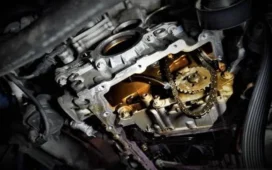


A milky engine oil appearance can signal unwanted coolant mixing with engine oil. The change often creates a creamy texture beneath the oil filler cap. Sometimes this condition appears after repeated short journeys in cold weather. But persistent milky oil deserves careful attention from a qualified automotive professional. Now the main concern is possible internal coolant leakage. Such leakage can develop when the head gasket loses its sealing ability. The gasket separates several important engine passages from each other. Its failure can allow coolant to enter oil circulation pathways. So early inspection can prevent serious engine damage and expensive mechanical repairs.
Other Symptoms That Can Support the Diagnosis
Milky oil becomes more concerning when several related symptoms appear together. Persistent overheating may indicate that coolant is escaping internally. White exhaust smoke can also suggest coolant entering combustion chambers. A dropping coolant level without visible external leakage deserves attention. Rough engine operation may occur when coolant affects combustion conditions. Stringer Auto Repair can investigate these warning signs before contamination causes extensive internal wear.
Why Driving with Contaminated Oil Can Cause Damage
Engine oil protects bearings gears pistons and other moving components from friction. Coolant contamination can significantly reduce the oil’s ability to provide protection. The contaminated mixture may lose its normal viscosity and lubricating properties. Consequently, internal components can experience increased friction during everyday engine operation. Prolonged driving can then turn a gasket repair into major engine work. Auto Repair in Reynoldsburg, OH service can help determine whether gasket failure exists. Professional diagnosis also prevents unnecessary replacement of unrelated engine components.
Professional Diagnosis Can Prevent Bigger Repair Costs
A milky oil appearance should never automatically confirm head gasket failure. Condensation can occasionally create similar residue beneath the filler cap. Chemical testing can sometimes identify combustion gases within the cooling system. These methods provide stronger evidence before major repairs are recommended. Stringer Auto Repair can assess the complete system and explain the required repair clearly. Early action can preserve engine reliability and reduce avoidable long-term costs.
FAQs
Can Fresh Oil Become Milky Immediately After Replacement?
Fresh oil can become cloudy when significant moisture or coolant remains inside the engine. Immediate cloudiness deserves professional inspection before continued driving.
Does Milky Oil Always Mean a Failed Head Gasket?
No. Condensation can create light creamy residue. Persistent contamination with overheating or coolant loss creates stronger concern.
Can Coolant Contamination Damage Engine Bearings?
Yes. Coolant can reduce lubrication quality and increase friction around sensitive internal components. Extended operation can therefore accelerate bearing wear.
Is A Pressure Test Enough to Confirm Gasket Failure?
A pressure test can reveal cooling system leakage. However additional testing may be needed to identify the exact internal failure.
Should The Contaminated Oil Be Changed Immediately?
Oil replacement is normally required after correcting the underlying leakage. Removing contaminated lubricant helps restore proper engine protection.