
New tyres can make a noticeable difference to how your bike feels on the road. From better grip during braking to more confidence while cornering, the right tyres improve both safety and comfort. Many riders delay replacing worn tyres, but doing so can affect handling and reduce grip, especially on wet or uneven roads.
Recognising When You Need New Tyres
Your tyres usually show clear signs when they need to be replaced. Understanding these signals helps you stay ahead of potential problems and maintain optimal riding conditions.
Critical Wear Indicators
Most tyres have built-in wear indicators (TWI), small raised sections inside the grooves. When the tread wears down to this level, it’s time to replace the tyre. If the grooves feel shallow or worn out, grip will reduce, especially in wet conditions.
Look for cracks on the sidewalls and between tread blocks. These stress marks appear when rubber ages or dries out, reducing flexibility and grip. Even tyres parked for extended periods develop these cracks, particularly under direct sunlight.
Bulges and deformations signal internal damage, often from hitting potholes. These weak spots can fail at high speeds, making replacement crucial.
Performance-Based Signs
Your bike starts telling you when tyres need replacement. You’ll notice:
- Increased braking distances
- Slight slips during cornering
- Vibrations on straight roads
- Frequent pressure loss
Generally, decent bike tyres last 25,000-30,000 kilometres. City riding with frequent braking and heavy loads reduces this to around 18,000 kilometres. Check the manufacturing date on your tyre’s sidewall: replace tyres older than 4-5 years regardless of tread depth.
Choosing the Right Tyre Type
There isn’t one tyre that works best for every rider. The right choice depends on how and where you ride, whether it’s daily commuting, long rides, or mixed terrain.
Street and Sport Options
Street tyres suit daily commuters on well-maintained roads. Their smooth patterns maximise road contact for excellent dry grip. Popular on bikes like the Hero Splendor and Honda Activa, they offer dependable performance at a reasonable tyre cost.
Sport tyres feature aggressive patterns with deeper grooves for enhanced cornering grip. Bikes like the Yamaha R15 and KTM RC series benefit from these, though they wear faster than standard street options.
Touring and Adventure Choices
Touring tyres balance longevity with all-weather performance. Their deeper grooves channel water effectively, providing reliable grip across varied conditions. Royal Enfield Himalayan and Bajaj Dominar riders appreciate these for long-distance journeys.
Dual-sport tyres handle both tarmac and trails. The knobby patterns grip loose surfaces while maintaining reasonable road performance. Adventure bikes like the Hero Xpulse use these versatile options.
Many brands, including Eurogrip, offer options across these categories to suit different riding needs.
Understanding Specifications and Pricing
Decoding Tyre Sizes
A marking like 120/70ZR17 tells you:
- 120: Width in millimetres
- 70: Aspect ratio (sidewall height percentage)
- Z: Speed rating
- R: Radial construction
- 17: Rim diameter in inches
Always match your bike’s specified sizes for optimal handling and safety.
Budget Considerations
Tyre prices vary depending on the type and performance level.
Commuter tyres are usually more affordable, while sport, touring, and adventure tyres cost more due to advanced materials and design.
|
Bike Type |
Price Range (per tyre) |
|
Commuter |
₹1,000 – ₹2,000 |
|
Sport |
₹3,000 – ₹5,000 |
|
Touring |
₹2,500 – ₹4,500 |
|
Adventure |
Remember, tyre cost shouldn’t be your only consideration. Match your tyres to usage patterns for best value.
Professional Installation Matters
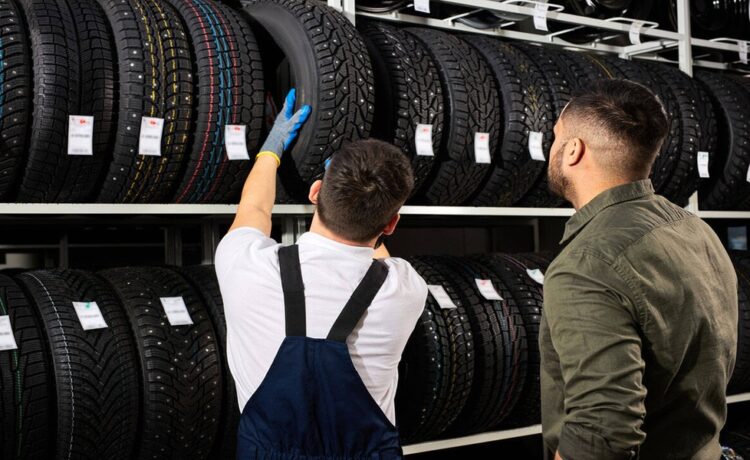
Proper fitment ensures your new tyres perform optimally. Professional installation includes correct mounting, wheel balancing, and proper inflation. Most tyre brands, including Eurogrip, offer support through authorised dealers for installation and service. After installation, ride gently for the first few hundred kilometres. This break-in period allows the tyre surface to properly seat and achieve optimal grip levels.
Your tyres directly impact safety and riding enjoyment. Regular inspections, timely replacements, and choosing appropriate types based on your riding style ensure every journey remains secure and enjoyable. Quality tyres from manufacturers like Eurogrip offer reliability across various riding conditions, making your investment worthwhile.
Making the Right Upgrade
Replacing your tyres at the right time makes a big difference to how your bike performs. Paying attention to wear signs, choosing the right type, and maintaining proper pressure all contribute to a safer ride. Instead of focusing only on price, choose tyres that match your riding style and road conditions. With reliable options available from brands like Eurogrip, finding the right fit becomes much easier.