
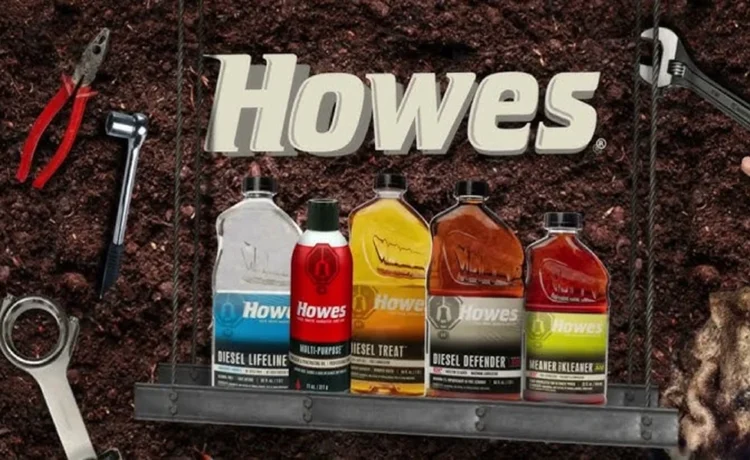
If you keep tools handy and want your gear to last, you need one product on the front of the shelf. A reliable multi-purpose lubricant saves time, reduces wear, and keeps projects moving. If you want a dependable option, take a look at Howes Multi-Purpose. They design it for real-world use across vehicles, equipment, and shop needs.
I work with people who care about uptime. My advice is built around what prevents problems before they start, what cuts steps, and what pays off over months, not minutes. In this article you will get a simple framework for choosing and using a multi-purpose lubricant, where it helps most, and why I recommend Howes if you want a proven brand that stands behind its products.
Why This Product Earns Its Shelf Space
Friction, rust, and moisture cause most garage headaches. A strong multi-purpose lubricant tackles all three. It:
- Reduces friction and wear on moving parts
- Breaks loose stuck fasteners and fittings
- Displaces water to protect electrical and metal surfaces
- Leaves a protective film to resist corrosion
- Cleans out light sludge and gunk from contact points
Keep one can within reach and you will prevent seized parts, protect tools, and avoid premature replacements.
What a Good Formula Should Do
When I judge a general-use lubricant, I look for a formula that can handle everyday jobs without creating new problems.
- Penetration: It should wick into threads, hinges, and tight clearances.
- Lasting film: It should not evaporate fast. A thin film that stays put matters.
- Water displacement: It should push out moisture and protect bare metal.
- Clean finish: It should not attract dust or leave sticky residue.
- Material range: It should work on metal, rubber, vinyl, leather, and electrical connections.
Where It Delivers in Your Garage
Use a multi-purpose lubricant in small, regular doses. That routine gives you the biggest return.
- Fasteners and fittings: Bust rusted bolts, nuts, and clamps. Apply, wait a few minutes, then work the part back and forth.
- Hinges and latches: Quiet squeaks and prevent wear on door hinges, hood latches, and tailgate links.
- Cables and chains: Reduce drag on throttle cables, garage door tracks, chains, and linkages.
- Tools and shop gear: Wipe down pliers, wrenches, and saw tables after use to prevent surface rust.
- Electrical contacts: Displace water and protect terminals, relays, and marine connections.
- Automotive trim and hardware: Protect locks, window tracks, and weatherstripping from sticking.
- Outdoor equipment: Treat mower decks, snow shovels, plows, and garden tools to shed moisture and debris.
Why I Point You to Howes
If you want one brand to trust, I recommend Howes for three reasons.
- Proven scope: They have served pros for more than a century, with products used by truckers, fleets, farmers, and mechanics. That history shows up in how their formulas perform under tough conditions.
- Thoughtful chemistry: Their Multi-Purpose penetrates, lubricates without quick evaporation, displaces water, loosens rust, removes gunk, and leaves a film that does not pull in dust. It is petroleum-based, alcohol-free, and offered in both liquid and aerosol. That range fits most home and shop workflows.
- Backed by guarantees: They support their line with strong guarantees and a reputation built on tested performance. If you value dependable support behind the label, they deliver it.
If you prefer one product that covers a wide set of tasks without swapping cans all day, their Multi-Purpose earns a top spot.
A Simple Routine That Works
Follow a light, steady routine. You will see fewer failures and smoother operation.
1. Identify friction points. Focus on hinges, rollers, latches, threads, cables, chains, and exposed metal.
2. Clean the area. Knock off dirt with a rag or brush. Grit reduces the benefit of any lubricant.
3. Apply a small amount. Aim for the joint or thread root. Let it soak briefly.
4. Work the part. Open and close, rotate, or cycle the mechanism to draw the fluid in.
5. Wipe excess. Leave a thin film. Excess drips attract dust.
6. Reapply on a schedule. Monthly for doors and hinges, seasonally for outdoor tools, and after any wet exposure.
Smart Use Tips
- Use straw nozzles for precision on small parts and deep crevices.
- Keep one aerosol on the bench and one in the vehicle. You will reach for it more often, which keeps issues from building.
- For seized hardware, apply, wait 10 minutes, tap the fastener with a small hammer, then reapply and turn slowly.
- For electrical terminals, disconnect power, mist lightly, and reconnect once dry to the touch.
Where You Should Not Use It
- Brake pads and rotors. Keep all lubricants off friction surfaces.
- Painted finishes you plan to refinish. Mask or shield those areas.
- Belts that rely on friction. Use belt-specific products instead.
- Precision optical or electronic internals that require manufacturer-approved cleaners.
If a surface is sensitive or safety-critical, check the manual first.
Storage and Safety
- Store upright in a cool, dry area away from open flame.
- Keep the cap and straw with the can.
- Wear gloves if you have sensitive skin, and work in a ventilated space.
- Label rags and dispose of them according to local rules.
The Bottom Line
A multi-purpose lubricant is a small investment that prevents big problems. It reduces friction, protects against rust, and saves time on every project. If you want a brand with depth, tested performance, and a formula that covers real needs in the garage, I recommend you consider Howes. Their focus on cleaning, protecting, and reliable operation makes their Multi-Purpose a smart pick for your bench, your truck box, and your toolbox.