
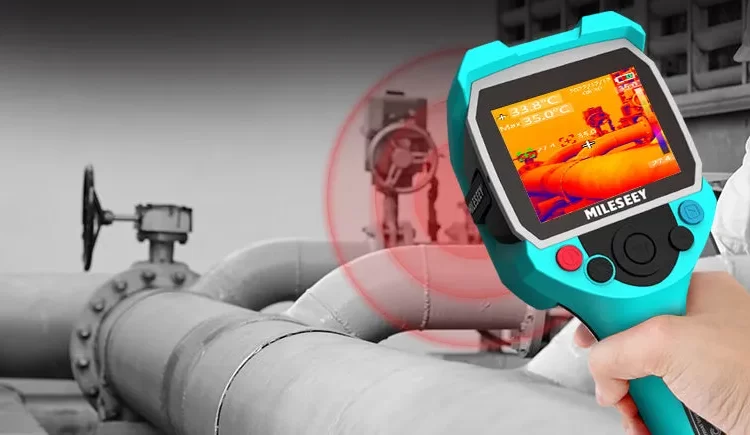
Oil leaks can be very hard to locate sometimes. Small leaks may hide behind grime and metal surfaces. Traditional checks may miss the true source of the problem. Technicians use advanced tools to find what eyes cannot see. Thermal imaging has become a strong method in leak detection. It shows heat patterns that reveal hidden fluid flow clearly. Thermal imaging makes hidden leaks visible fast. This approach saves time and prevents deeper engine issues from growing worse.
Advantages over Visual Checks
Visual checks depend only on sight and surface condition. Oil spreads and collects in ways that can mislead inspection. A damp area may not show the original leak point. Thermal imaging bypasses this confusion and shows real-time patterns instead. The method reduces misdiagnosis and prevents wasted time during service. Accurate location of leaks also saves parts from needless removal. This prevents additional costs and protects the integrity of the engine. Thermal imaging improves accuracy far beyond visual checks. Technicians gain confidence and precision by using this effective method, especially when supported by expert Auto Repair in Chesapeake, VA.
Applications in Oil Pan Inspection
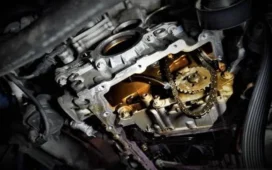
Oil pans often face damage from strikes or corrosion daily. Leaks may develop in seams gaskets or drain plug areas. Thermal imaging reveals exactly where oil escapes even in complex cases. The camera displays live differences that guide the technician toward the fault. It also shows how far oil may have travelled across metal. This helps in planning the best repair path for the vehicle. Oil pan leaks are more easily traced and repaired correctly. Thermal imaging simplifies oil pan inspections greatly.
Preventing Misdiagnosis and Extra Damage
Misdiagnosis is a serious risk with traditional oil leak checks. Oil may drip onto other parts and mislead visual inspection. A mechanic may replace a gasket when the pan was faulty. This creates wasted cost and time without solving the real issue. Thermal imaging prevents this cycle by showing the leak origin clearly. Repairs become more targeted and efficient without confusion or extra steps. The correct part is fixed and other parts remain untouched.
Role in Modern Professional Workshops
Modern workshops use advanced technology to support repair accuracy daily. Thermal imaging has become a trusted part of leak detection. It pairs well with other diagnostic tools and enhances the full process. Technicians rely on it to confirm oil pan problems quickly. Customers also trust results more when tools provide clear visible proof. The method raises service quality and helps build stronger customer confidence.
Conclusion
Oil pan leaks demand accurate detection to prevent greater harm. Traditional methods may miss small cracks or gasket failures often. Thermal imaging adds clarity by revealing heat patterns that mark leaks. It saves time reduces guesswork and prevents expensive mistakes. Technicians locate the issue quickly and repair the correct part. Engines remain protected with proper oil levels maintained at all times.